

Breaking into a new profession doesn’t have to involve years of college debt or endless unpaid internships. For those looking to join a career that’s practical, hands-on, and in constant demand, working as a pest control technician might be the hidden gem. The industry is growing fast in the U.S., with opportunities opening up in residential, commercial, and agricultural settings.
And the best part? You don’t have to pay thousands for certification. Several free pest control training programs and resources exist online to help you build the foundation needed to get started. If you’re curious if this path is right for you, stick around with Insiderwissen—we’re unpacking everything you need to know.
- Career Change in 2025: How to Switch Jobs Smoothly
- Kurse für fortgeschrittene Elektriker: Lassen Sie sich für spezialisierte Berufe zertifizieren
- Auto Mechanic Career Path: Skills, Jobs, and Salaries
Pest control technician training for free
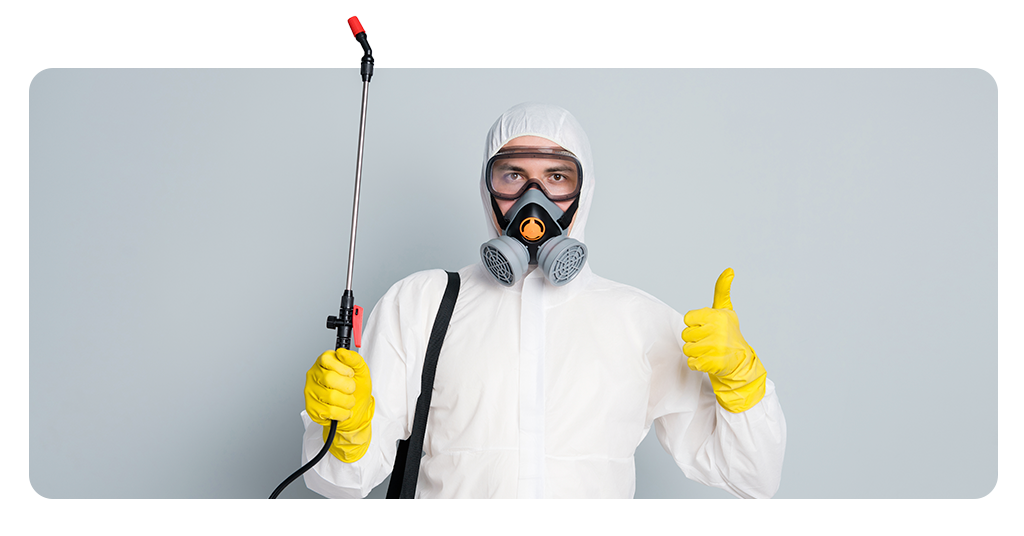
A pest control technician goes beyond someone spraying chemicals. It’s a certified professional who understands biology, safety protocols, and customer service.
Employers look for candidates who already show some training, and luckily, free courses online make that possible.
One standout program is the Pest Control and Management course on Alison. It covers the essentials of pest biology, control methods, and safety measures.
Since it’s self-paced, you can squeeze lessons into your daily schedule, no matter if after work or between classes.
Other platforms like community workforce centers and local libraries often collaborate with environmental agencies to provide introductory training.
The U.S. Bureau of Labor Statistics confirms that most states require basic certification or licensing, so having some knowledge before applying makes you more competitive.
Step-by-step: how to access free courses
Getting started is surprisingly simple. Instead of sifting through random YouTube videos, stick to structured programs that are recognized in the industry.
Here’s how to dive in:
- Visit Alison and enroll in the free Pest Control and Management course;
- Create an account to track your progress and download completion certificates;
- Use additional free EPA (Environmental Protection Agency) resources that guide you through pesticide safety basics;
- Check state licensing websites to understand local requirements and next steps.
By following this route, you not only build knowledge but also show potential employers that you’re serious about becoming a pest control technician.
Skills you’ll learn to start working quickly
Even with free resources, you’ll walk away with a toolkit that prepares you for real-world tasks. Training introduces you to both technical and soft skills, such as:
Identifying common pests and their life cycles
Knowing the difference between a carpenter ant and a termite can save property owners thousands of dollars.
Training teaches you to recognize not only the species but also their behavioral patterns, nesting habits, and breeding cycles. This insight allows you to act preventively rather than reactively.
Understanding how to apply safe chemical treatments
Spraying chemicals blindly is a rookie mistake that can harm people, pets, and the environment. Free courses emphasize Integrated Pest Management (IPM), which combines minimal chemical use with physical and biological control methods.
You’ll learn dosage, application techniques, and how to read and follow EPA-approved product labels — skills that make you both effective and compliant.
Mastering inspection methods for homes and businesses
Before any treatment begins, inspections set the stage. You’ll learn to analyze entry points, moisture problems, and food sources that attract pests.
Whether it’s checking restaurant kitchens for rodent access or scanning basements for termite tunnels, inspection techniques help you address the root causes instead of just symptoms.
Following safety and environmental regulations;
Each state enforces its own pesticide certification rules, and technicians must operate within those boundaries. Free training introduces you to federal guidelines, including the EPA’s Worker Protection Standard.
You’ll practice reading Safety Data Sheets (SDS) and learn procedures for storing, transporting, and disposing of chemicals responsibly. This knowledge protects both the technician and the public.
Communicating effectively with clients to build trust.
Customers often panic at the first sign of bedbugs or cockroaches. That’s where your interpersonal skills come in.
Training helps you explain treatment plans in plain language, set realistic expectations, and reassure clients that their home or business is in safe hands.
Clear communication builds repeat business and, in many cases, referrals — a technician’s secret weapon for steady work.
These are the same skills mentioned in career guides like Indeed’s pest control technician advice. They’re practical, transferable, and give you a competitive edge when applying for entry-level positions.
Other important online resources
Beyond courses, there are communities and institutions that can fast-track your journey.
- Pest Pro University offers beginner-friendly insights into day-to-day technician work;
- State EPA websites often host free study guides and practice exams;
- Forums and LinkedIn groups connect you with industry professionals, opening the door to mentorship or job leads;
- Career hubs like Indeed list entry-level roles that accept candidates with minimal prior experience.
Get free pest control training and start your new career.
If you want to explore other technical fields, Insiderbits also covers options like plumber courses online, which may pair well with pest control skills for broader employability.
Why the industry keeps growing
Nach Angaben der Bureau of Labor Statistics, the pest control field continues to expand as urban areas grow and regulations tighten.
With property owners demanding preventive measures and businesses needing compliance, technicians remain in high demand.
Another point worth highlighting: entry into the industry doesn’t require a four-year degree. Once you have your certification, employers often provide additional on-the-job training.
That means you can start earning sooner while building long-term career stability.
Final thoughts
Becoming a pest control technician is less about luck and more about taking the right first steps. Free online training, combined with certification and practice, can place you in a career with steady demand and advancement opportunities.
So if you’re ready to make the jump, don’t just scroll past this option. Take the next step today: access EPA resources and prepare for technician jobs.