Most people do not sign bad contracts because they are careless. They sign them because contracts are designed to overwhelm. Dense paragraphs, vague terms, endless subclauses, and language that feels deliberately allergic to clarity. By the time you reach the signature line, exhaustion has already done most of the negotiating for you.
That is exactly why contract scanning tools powered by artificial intelligence are gaining traction. A contract scanner does not replace legal advice, but it does something crucial before things get expensive: it highlights risk. It shows you where to slow down, what to question, and when to think twice. See how.
- Die 10 besten Apps zum Zeichnen und Malen für Kinder
- 1000 Stunden im Freien: Familienspaziergänge und Geschichten erwarten Sie!
- Die 3 besten Workout-Apps für hochintensives Training
Why most people miss risky contract clauses
Contracts rely on asymmetry. One side writes them for a living. The other side reads them after work, on a phone screen, while trying not to miss dinner.
The average commercial contract contains dozens of risk-bearing clauses that non-lawyers routinely overlook, including indemnification limits, automatic renewals, and early termination penalties.
The problem is cognitive overload. Legal language compresses complex obligations into abstract phrases that feel harmless until they activate.
Terms like “at sole discretion”, “without prior notice”, or “subject to adjustment” sound procedural, but they often signal financial exposure.
A contract scanner exists to rebalance that equation. Instead of reading everything equally, it directs attention to clauses that historically generate disputes or unexpected costs.
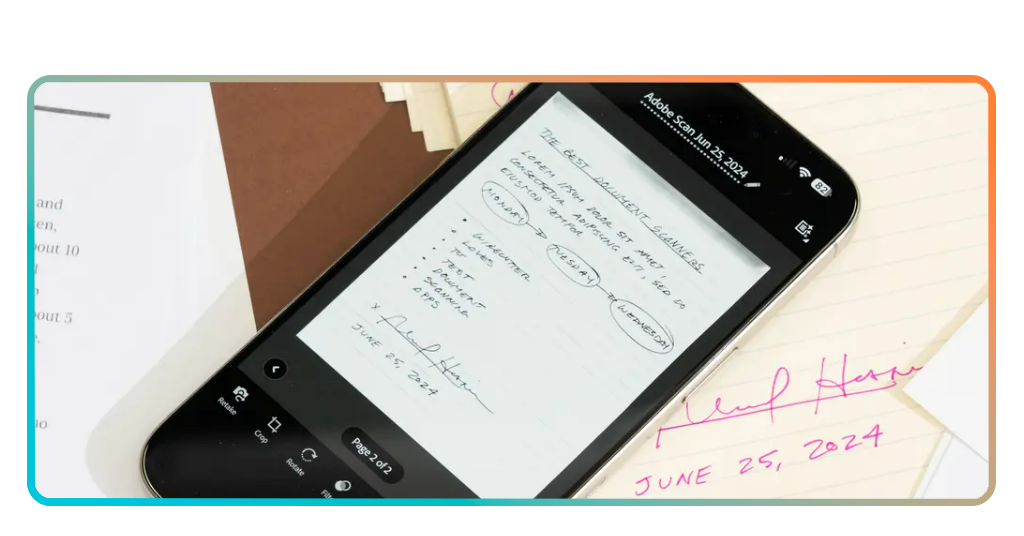
This contract scanner highlights danger zones for you
Smart Maya AI offers a free contract scanner designed to flag problematic areas instantly. You upload a document, and the system analyzes it using natural language processing models trained on real-world contract structures.
The scanner does not summarize the document. It interrogates it.
Nach Angaben von LexCheck’s breakdown of AI contract analysis, modern scanners identify risk by comparing clauses against known patterns associated with litigation, renegotiation, or regulatory conflict.
Instead of drowning users in commentary, a contract scanner highlights sections that historically cause harm, such as penalties, renewal logic, and unilateral changes.
Identify fees, penalties, renegotiation traps
Financial risk in contracts rarely announces itself clearly. Fees hide behind service language. Penalties appear as “administrative adjustments”. Renegotiation traps live inside renewal terms. An AI-powered contract scanner flags:
- Automatic renewal clauses that extend agreements without explicit consent;
- Early termination fees that escalate over time;
- Penalty structures tied to vague performance standards;
- Unilateral amendment clauses allowing one party to change terms;
- Cost-shifting language that transfers financial responsibility unexpectedly.
To research on contract risk assessment, these clauses are among the top drivers of post-signature disputes in consumer and small business agreements.
By surfacing these elements early, a contract scanner allows users to pause before committing. That pause is where leverage lives.
Understand legal language in plain English
One of the most underrated features of a contract scanner is translation. Not between languages, but between legalese and reality.
AI models trained on contract analytics can reframe clauses in plain English without stripping them of meaning.
For example, instead of “The provider may revise fees at its discretion”, the scanner might explain: this clause allows the company to increase prices without notifying you. That shift changes how the clause feels, and how it is evaluated.
Contract analytics is the process of extracting structured meaning from unstructured legal text to support decision-making. In practical terms, that means fewer surprises and more informed consent.
For individuals without legal training, this clarity restores agency. You may still sign the contract, but you do so with open eyes.
Make smarter decisions before signing anything
A contract scanner does not tell you what to do. It shows you what matters. Smart Maya AI explicitly positions its scanner as a decision-support tool, not a substitute for a lawyer.
An approach that aligns with best practices in legal technology. AI flags risk. Humans decide how much risk they accept. In many cases, simply knowing where the danger zones are allows users to renegotiate terms, request clarification, or walk away entirely.
Just as people simulate retirement benefits to avoid future regret, contract scanners help users preview legal consequences before they materialize.
For a related example of planning ahead with data, see this Insiderbits’ guide on simulating retirement benefits.
Who benefits most from a contract scanner
While businesses were early adopters, individual users now make up a growing share of contract scanning tools. This includes:
- Freelancers signing service agreements;
- Renters reviewing lease contracts;
- Consumers evaluating long-term subscriptions;
- Small business owners dealing with vendors;
- Employees reviewing non-compete clauses.
Accessibility is key. Tools that remove cost and technical barriers dramatically increase contract literacy outside legal departments.
Smart Maya AI’s scanner is browser-based, free to use, and does not require specialized knowledge. That lowers the threshold for safer decision-making.
Security, privacy, and realistic expectations
Uploading a contract naturally raises privacy concerns. Smart Maya AI states that uploaded documents are processed securely and not stored long-term, minimizing exposure.
Still, users should avoid uploading highly sensitive or confidential agreements unless they understand the platform’s data handling policies.
It is also essential to be clear about limitations. A contract scanner cannot assess jurisdiction-specific enforceability or provide legal advice. What it can do is highlight where questions should be asked.
That distinction matters. The tool empowers users to engage lawyers more effectively, not to bypass them entirely.
Why contract scanners reduce regret
People regret decisions when consequences emerge that they did not fully anticipate at the time of choice.
In legal agreements, those surprises often surface months later as unexpected fees, automatic renewals, or penalties triggered by vague conditions.
Users who reviewed AI-highlighted contracts were significantly more likely to identify financial risks and renegotiation points than those who read contracts unaided, even when both groups had the same amount of time.
There is also a measurable psychological effect. Regret is amplified when individuals feel they had no reasonable way to foresee an outcome.
Contract scanners reduce this by restoring a sense of control. When users understand where penalties, renewals, or unilateral changes exist, negative outcomes feel less arbitrary and more predictable.
Final perspective
Signing contracts without understanding risk is no longer a rite of passage. It is an avoidable mistake. With tools like Smart Maya AI, individuals gain access to analytical capabilities once reserved for legal teams.
Visibility is the first step toward control.