

Family stories sometimes stop at a single last name written on an old photo or document at home. The Ancestry app works as a surname origin finder that helps search historical records, connect relatives, and find out where your family name may have first appeared. It gathers scattered clues and turns a simple name into a clearer picture of your past.
This article by Insiderwissen explains how the app helps explore family roots, search documents, and connect pieces of information across generations. You’ll learn how to begin tracing your surname and uncover stories tied to your ancestors. Keep reading and see how a simple search can bring to light centuries of unknown family connections.
Verwandt: FamilySearch Tree – Discover Your Surname Origin With This App
What is the best surname origin finder?
Looking at your last name can raise questions about the people who carried it a long time ago. The Ancestry app (Android | iOS) gathers records, photos, and relatives in one place.
Through your phone, the app searches archives like census pages, yearbooks, and immigration lists. These records connect names, places, and dates that shape your family timeline.
Inside the experience, the surname origin finder links your tree with historical records and discoveries shared by other members, helping trace where your name appeared.

4.8/5
Features available in the Ancestry app
- Family tree builder: create a living family tree by adding relatives, photos, and memories while watching connections between generations grow inside the app;
- Historical record search: explore billions of census pages, newspapers, and archives that connect names, places, and dates linked to your relatives;
- DNA insights: activate your DNA kit, compare ethnicity regions, and view relatives who share genetic links across different branches of your extended family;
- Photo and story tools: upload pictures, tag relatives, and attach personal memories so moments from earlier memories stay organized and easy to revisit.
Why people love exploring family history
When you start searching through this surname origin finder, your family tree begins filling with names, places, and relatives connected through shared records from different eras.
As you look through documents, you begin noticing where relatives lived, the jobs they held, and the towns they called home across different periods.
Sharing those discoveries with relatives brings new stories to the table. A grandparent remembers a place, a cousin recognizes a name, and your family history grows richer.
What your last name can reveal
Your last name can hint at regions, languages, and traditions connected to your relatives. As you look through records, you start noticing where families lived and built their lives.
Historical documents linked through the surname origin finder connect places across decades, helping you follow how relatives moved, worked, and built communities together.
Looking at records over time, you may notice repeated names, hometowns, or trades. These details help show how families passed traditions and identities through generations.
How to find your surname origin using the Ancestry app
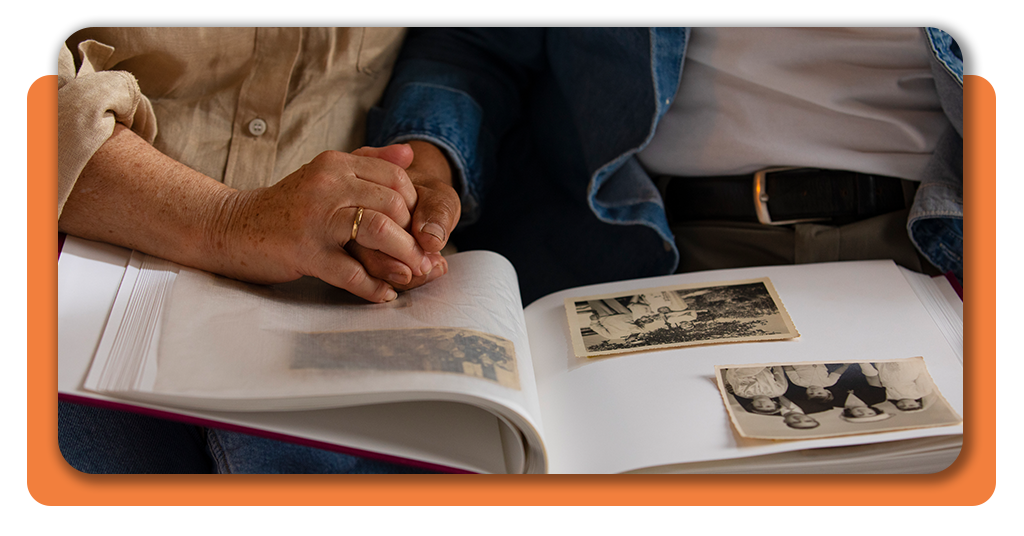
Tracing your last name begins with information your family already remembers. A grandparent’s birthplace, an old letter, or a wedding photo can guide your search.
In Ancestry (Android | iOS), the surname origin finder checks historical databases while you enter relatives, bringing forward records connected with the names and locations you add.
Piece by piece, those records begin outlining how your surname appeared in different towns, helping you follow how family lines formed and spread across regions.
Step 1: start your family tree with one name
Start with a relative you know well. Enter their name, birthplace, and close family members so the app can begin connecting records linked to that person.
Adding small details helps the system locate matches inside public archives. A birth year, hometown, or spouse name can uncover documents connected to your relative.
Once those details appear together, your tree begins showing links between relatives, giving you a clearer picture of how your family expanded across places.
Step 2: look for old records tied to surnames
Searching archives through the surname origin finder helps match your relatives with census pages, passenger lists, school registers, and newspaper mentions connected to your family.
Those documents help you see daily life in earlier decades. You may find addresses, occupations, or travel routes connected to relatives recorded in official records.
Reading these sources helps confirm relationships. Matching dates, names, and locations strengthens your research and helps avoid adding people who belong to different families.
Step 3: find relatives connected to your family
As your tree grows, the app may show other members researching the same family names and locations connected to your relatives.
Through this surname origin finder, shared ancestors come up when family trees match, helping you identify distant cousins researching the same family line.
Reaching out to those relatives may dig up family photos, handwritten letters, or stories preserved in another household, adding personal history to the records you already found.
Verwandt: Trace your family story and discover your surname origin today
Tips for accurate genealogical research and data safety
Family research brings excitement, but accuracy protects your work. When adding relatives, dates, or locations, taking a moment to review details keeps your family tree reliable.
Documents, photos, and stories can come from different relatives. Checking birthplaces and years carefully helps prevent mistakes that could connect your family tree with unrelated lines.
While using the surname origin finder to explore, protecting personal details remains important. Keeping sensitive information limited helps ensure your family history stays accurate and safe.
Double check family details before saving
Before adding someone to your family tree, review their birth year, hometown, and relatives. Small differences between records can point to two different people.
Look at more than one document when possible. A census page, a newspaper mention, and a birth record together can confirm a relative belongs in your tree.
Taking a moment to compare dates, places, and relationships helps prevent mixing families with similar names. Careful entries keep your research reliable as your tree grows.
Keep photos and documents well organized
When using the surname origin finder, organizing photos and documents helps you quickly recognize who appears in each record connected to your relatives.
Create simple labels with names, locations, and years when saving images. This helps you remember where each photo came from and how it connects.
Grouping records by family branch keeps everything easier to follow later. You and your relatives will recognize connections between pictures, documents, and stories.
Protect private information about your family
Sharing discoveries can be exciting, but protecting personal details keeps living relatives safe when you build and share your family tree online.
As you work through the surname origin finder, avoid publishing birthdates, addresses, or contact details connected to living relatives inside shared trees.
Keeping private details limited to trusted family members helps protect identities while still allowing you to document your heritage and preserve family stories.
Exploring discoveries inside your family tree
Opening your family tree in Ancestry (Android | iOS) can bring surprising moments. Names you entered begin linking with towns, occupations, and events connected to your relatives.
As new information appears, you begin seeing patterns in how your family lived. Homes, workplaces, and local communities start forming a picture of daily life.
Exploring deeper through the surname origin finder connects your growing tree with maps, documents, and discoveries shared by others researching the same family names.
4.8/5
See where your ancestors once lived
Looking through location records shows the towns where your relatives built their lives. Street names and neighborhoods appear beside familiar surnames inside historical documents.
Maps in the Ancestry app place those locations together so you can follow movement between villages, cities, or countries connected to earlier family members.
Seeing these places on a map helps you picture surroundings your relatives knew. Rivers, farms, markets, and schools begin giving shape to their environments.
Learn stories passed through generations
Family memories carry small details that never appear in official documents. A nickname, a recipe, or a childhood story can bring personality into your growing tree.
Inside the surname origin finder, photos and shared family trees connect those memories with names and dates, helping you place stories beside real relatives.
Talking with older relatives sometimes unlocks forgotten pieces of history. A single memory about a wedding, job, or hometown can fill gaps inside your records.
Understand why surnames change over time
Names written long ago did not always follow one spelling. Clerks wrote what they heard, and accents or languages sometimes changed how surnames appeared.
While exploring records through the surname origin finder, you may notice your surname written several ways across documents created in different regions or periods.
Recognizing these variations helps keep your research on track. Different spellings may still belong to the same family line recorded across towns and languages.
Verwandt: Learn the meaning and origin of your last name with the MyHeritage app
Turn your last name into a living story
The Ancestry app can turn a familiar last name into something meaningful again. Names from old albums, letters, and stories begin connecting, helping you see how your family history grew.
This guide by Insiderwissen explored how the surname origin finder helps follow family names through records and shared trees, uncovering the paths your relatives took.
Here at Insiderwissen, you will find more articles about ancestry apps that help families reconnect with their roots, rediscover forgotten stories, and keep memories alive for the next generation.