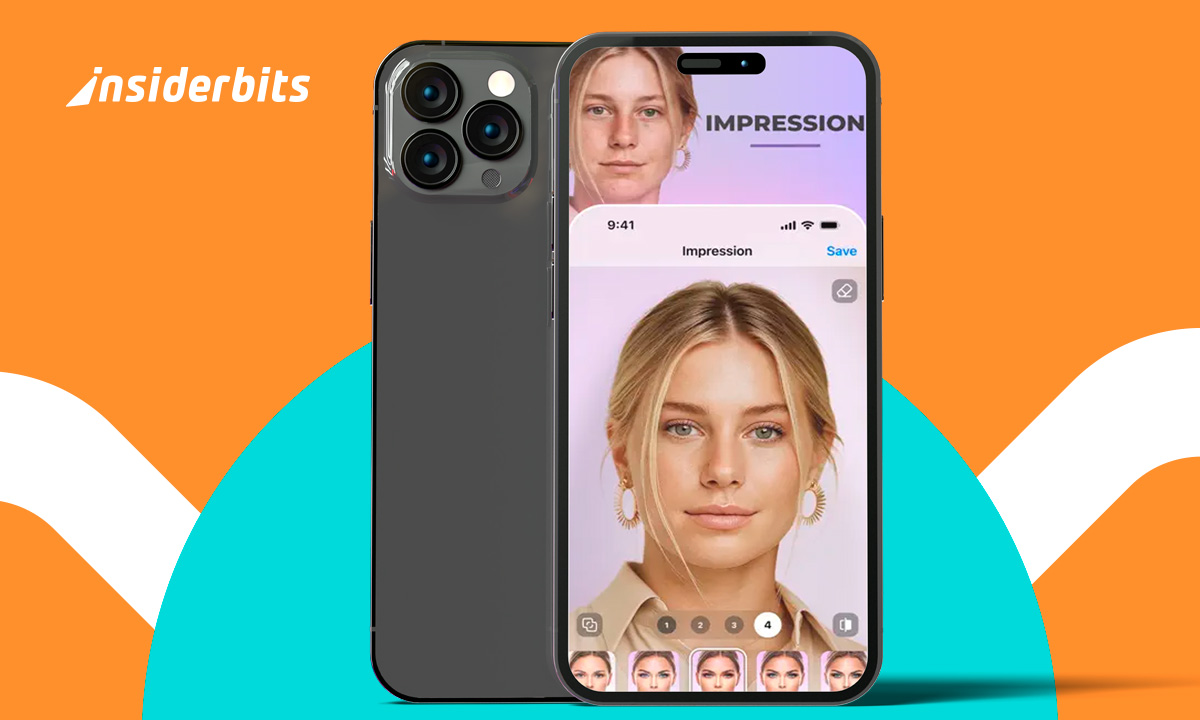

We inhabit an era where trust is a luxury we can rarely afford, especially when any bored teenager with a decent Wi-Fi connection can curate a secondary identity. If you aren’t questioning the authenticity of the faces you encounter online, you aren’t being polite; you’re just being a target.
The good news is that we don’t have to play the victim in this game of internet hide-and-seek. Technology might have created the “catfish” epidemic, but it also provided the antidote. Using a reverse image search is the digital equivalent of turning on the lights at a sketchy nightclub—suddenly, you see exactly what you’re dealing with.
- Facebook-Marktplatz-Betrug: Rote Flaggen, die Sie kennen müssen
- Fake Mail Scams Are Back — Here’s How to Spot Them in Seconds
- Protect Your Elderly Parents From Phone Scams With This App
Spotting catfishers and scammers on social media
The romantic landscape of the twenty-first century is essentially a minefield of emotional manipulation.
An AARP, romance scams cost unsuspecting victims hundreds of millions of dollars every year, often starting with a stolen photograph of an attractive soldier or a successful doctor.
These predators use professional-grade imagery to build a wall of credibility that is surprisingly easy to tear down if you know which buttons to push.
A single reverse image search can reveal that the “love of your life” is actually a fitness model from Brazil who has no idea their face is being used to solicit wire transfers from a basement in another continent.
Beyond dating, social media is crawling with “cloned” accounts. You might see a profile that looks identical to your best friend’s, asking for an urgent favor or a small loan.
Before you panic and reach for your wallet, run their profile picture through a verification tool. If that same headshot appears across fifty different accounts with fifty different names, you’ve just saved yourself from a classic phishing trap.
Verifying photos with the reverse image search app
Manually dragging files into a browser is so 2010. Today, the most efficient way to investigate is through a dedicated reverse image search application like RIMG, which acts as a central hub for multiple search engines.
Instead of relying solely on one database, tools like RIMG (available for Android und iOS) aggregate results from Google, Bing, and Yandex simultaneously.
This cross-referencing is crucial because different engines index different parts of the web; while one might miss a social media post, another might find the original photographer’s portfolio on an obscure European site.
You can simply take a screenshot of a suspicious post or upload a saved file directly from your gallery. The app then dissects the visual data—pixels, colors, and compositions—to find twins or near-matches across the globe.
For Android users who want an even more integrated experience, exploring Circle to Search provides a glimpse into how deeply this investigative tech is becoming woven into our operating systems.
When the barrier to entry for truth is this low, there is absolutely no excuse for being deceived.

4.6/5
Finding high-resolution versions of blurry images
Sometimes the motive isn’t about hunting criminals; it’s just about aesthetic perfection. We’ve all found that perfect wallpaper or a stunning piece of art on Pinterest, only to realize the file size is about as large as a postage stamp.
A reverse image search serves as a high-definition scout. By feeding the low-res version into the search bar, you can often locate the original source or a higher-quality upload that hasn’t been compressed into oblivion by years of re-sharing.
This utility is a godsend for designers, content creators, or anyone who hates seeing jagged edges on their screen. It helps you find the artist’s name, ensuring you can give proper credit or even purchase a legitimate print.
Checking if your own photos are being stolen used elsewhere
Now, let’s pivot to a slightly more terrifying thought: what if someone is using Ihr face to scam people? Gone are the days when identity theft was just about credit cards.
Performing a reverse image search on your own favorite profile pictures is a necessary quarterly hygiene habit.
It allows you to see if your vacation photos have been hijacked by a fake travel agency or if your face is being used as the “before” picture for a sketchy weight-loss supplement.
If you find your images on unauthorized platforms, you can take action by:
- Issuing a DMCA takedown notice to the hosting website;
- Reporting the fraudulent social media profiles for impersonation;
- Contacting the original platform to flag the security breach;
- Watermarking future public uploads to discourage easy theft;
- Adjusting your privacy settings to ensure only trusted contacts can see your full-resolution galleries.
Identifying products or locations from a single screenshot
We’ve all been there: you’re scrolling through a feed and see a pair of shoes that would change your life, but the person didn’t tag the brand.
Or perhaps you see a breathtaking mountain lake and think, “I need to go there”, but the caption is just a bunch of irrelevant hashtags. A reverse image search is the ultimate shopping and travel assistant.
It can identify the specific model of a product or the geographical coordinates of a landscape by comparing landmarks and logos against its massive index, being particularly useful for avoiding “dropshipping” scams.
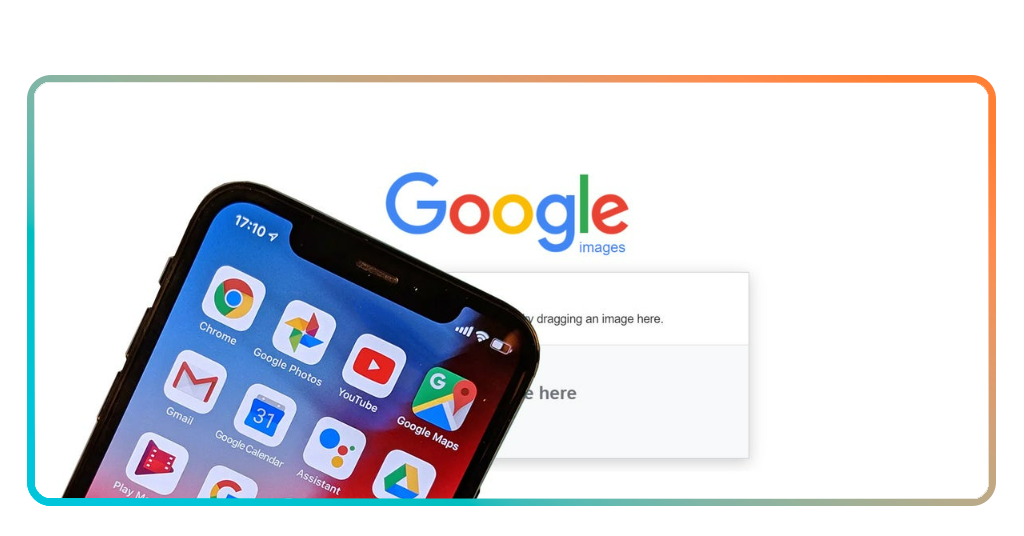
Many fly-by-night websites steal high-end lifestyle photography to sell cheap, inferior versions of products.
By searching the image, you can find the original manufacturer and see the actual price, saving yourself from overpaying for a piece of junk that looks nothing like the advertisement. It’s about being a conscious consumer in an age of visual noise.
The truth is out there; you just need to know how to look for it.
Final thoughts
We are all living in a digital masquerade ball where half the guests are wearing masks made of pixels and stolen dreams.
As a twenty-something who practically breathes through a smartphone screen, I have seen it all—from the suspiciously handsome “crypto investor” sliding into DMs to the influencer whose tropical vacation photos look a little too much like a stock image from 2014.
Whether you are vetting a potential date or checking if that designer coat on a random website is actually a cheap polyester knockoff, performing a quick visual audit is the most basic form of modern self-defense.
Using a reverse image search helps you take the power back from scammers who rely on your ignorance to fuel their fraudulent schemes.