

Eine Geldtransfer-App ist heute für Millionen von Einwanderern, internationalen Studenten, Fernarbeitern und Familien, die über verschiedene Länder verstreut leben, unerlässlich.
Dies hat dazu beigetragen, das Wachstum der Geldtransfer-App-Branche voranzutreiben, in der Fintechs darum konkurrieren, schnellere und günstigere Alternativen zu herkömmlichen Banken anzubieten. Lesen Sie weiter Insiderwissen.

4.9/5
Remitly: Beste Geldtransfer-App für Einwanderer
Aus den Daten der Weltbank geht hervor, dass die weltweiten Durchschnittskosten für Geldüberweisungen weiterhin über dem Zielwert der Vereinten Nationen von 3% liegen, was bedeutet, dass Familien einen erheblichen Teil ihres Geldes verlieren können, bevor es sein Ziel erreicht.
Die Herausforderung besteht darin, dass internationale Überweisungen immer noch recht teuer sein können.
Remitly wurde 2011 gegründet und hat es sich zum Ziel gesetzt, Menschen beim grenzüberschreitenden Geldversand zu unterstützen. Der Dienst steht zur Verfügung für Android und iOS.
Heute bedient das Unternehmen Millionen von Nutzern weltweit und unterstützt Überweisungen in zahlreiche Länder in Lateinamerika, Asien, Afrika, Europa und Nordamerika.
Remitly ist möglicherweise nicht in jeder Situation die günstigste App für Geldüberweisungen, aber sie ist dafür bekannt, einen Prozess zu vereinfachen, der historisch langsam, teuer und auf physische Bankfilialen angewiesen war.
Funktionen in der Remitly App
Die Remitly-Plattform umfasst unter anderem folgende Funktionen:
- Internationale Überweisungen in mehrere Länder;
- Überwachung von Überweisungen;
- Wechselkursprognosen;
- Verschiedene Lieferoptionen;
- Zugriff über die mobile App;
- Identitätsprüfwerkzeuge;
- Sicherheitsüberwachung;
- Kundendienstleistungen.
Ein Grund, warum sich viele Nutzer für eine Geldtransfer-App statt für herkömmliche Banküberweisungen entscheiden, ist die Transparenz.
Die meisten Apps zeigen die Wechselkurse und die voraussichtlichen Gebühren an, bevor die Transaktion abgeschlossen wird, sodass die Nutzer die Gesamtkosten im Voraus erkennen können.
Das mag niedrig erscheinen, aber jeder, der jemals eine internationale Banküberweisungserklärung geprüft hat, weiß, dass Überraschungen historisch gesehen Teil dieser Erfahrung waren.
Warum Geldtransfer-Apps so beliebt geworden sind
Das Wachstum des Marktes für Geldtransfer-Apps spiegelt allgemeine wirtschaftliche Trends wider.
Nach Angaben der Weltbank belaufen sich die weltweiten Überweisungsströme jährlich auf mehrere hundert Milliarden Dollar. In vielen Ländern stellen die Geldüberweisungen von im Ausland arbeitenden Verwandten eine wichtige Einkommensquelle für die Haushalte dar.
Traditionelle Banküberweisungen beinhalten oft:
- Transfergebühren;
- Aufschläge auf Wechselkurse;
- Gebühren der zwischengeschalteten Bank;
- Längere Bearbeitungszeiten.
Als Fintech-Unternehmen auf den Markt drängten, begannen sie, in den Bereichen Geschwindigkeit, Komfort und Preistransparenz miteinander zu konkurrieren.
Das Ergebnis ist, dass die Nutzung einer Geldtransfer-App in vielen Fällen nun Minuten statt Tage dauert.
Besonders für jüngere Nutzer kann die Vorstellung, eine Bankfiliale nur für eine Überweisung aufzusuchen, fast so veraltet wirken wie das Ausleihen von Filmen aus einer Videothek.
In diesem Zusammenhang: Eine Familie in den USA großzuziehen, kann teuer sein – vor allem, wenn man sich erst noch mit den verschiedenen Förderprogrammen vertraut machen muss. Unser Reiseführer erläutert die Vorteile damit Einwandererfamilien Zugang dazu erhalten und erklären können, wer dafür in Frage kommt.
Schritt für Schritt: So senden Sie Geld mit Remitly ins Ausland
Eine App für Geldüberweisungen soll internationale Zahlungen unkompliziert machen.
Schritt 1: Laden Sie die App herunter und erstellen Sie ein Konto.
Install Remitly über den App-Store oder Google Play Store. Neue Nutzer geben ihre persönlichen Daten an und bestätigen ihre Identität.
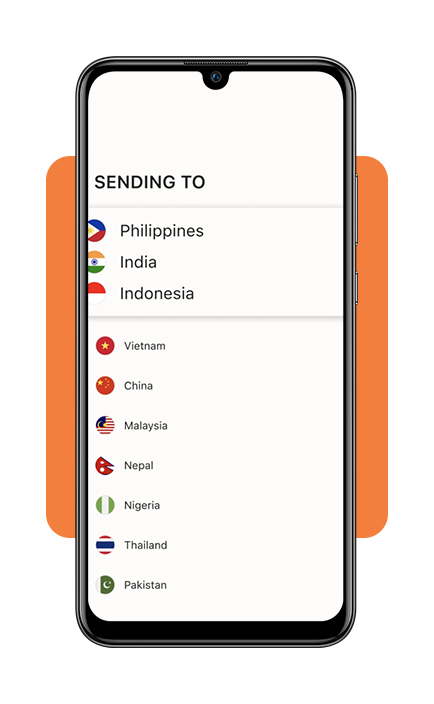
Schritt 2: Wählen Sie das Zielland aus
Wählen Sie aus, wohin das Geld überwiesen werden soll.
Schritt 3: Geben Sie den Überweisungsbetrag ein und wählen Sie die Zustellmethode
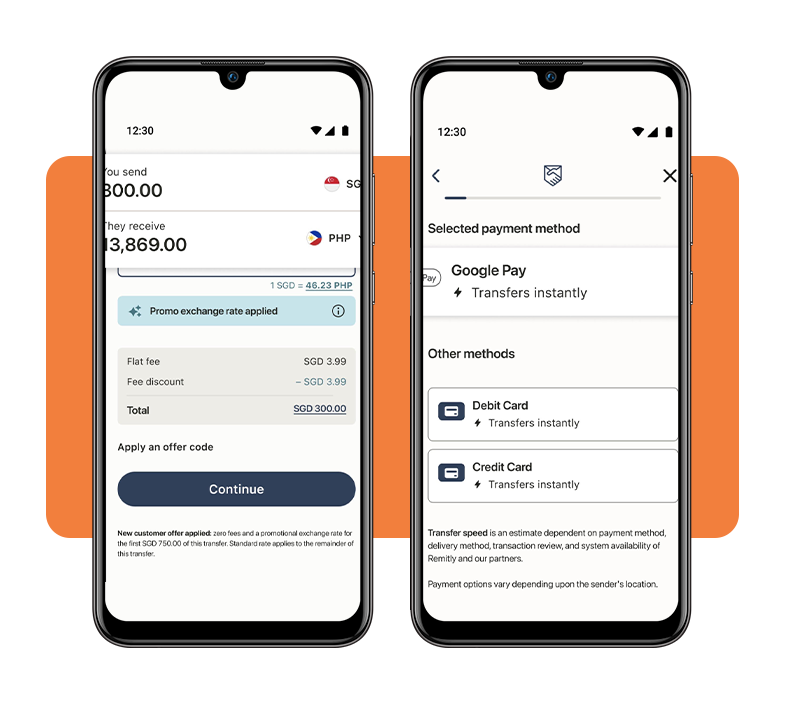
Die App zeigt den zu überweisenden Betrag, die voraussichtlichen Gebühren und die Wechselkurse an. Je nach Zielland stehen unter anderem folgende Optionen zur Auswahl:
- Bankeinlage;
- Bargeldabholung;
- Mobile wallet;
- Debit card transfer.
Step 4: add recipient information
Enter the recipient’s details carefully to avoid delays. Then, double-check all information before submitting the transfer.
Main fees for international money transfers
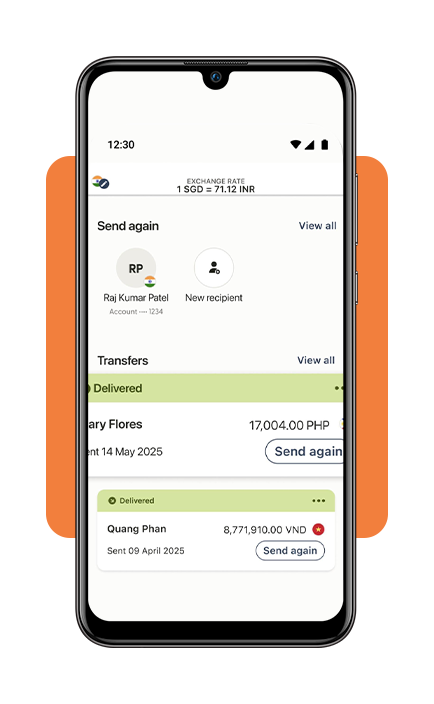
A common misconception is that every money transfer app offers completely free international transfers. The reality is more complicated, since costs—generally—come from three sources:
- Transfer fees: some services charge a flat fee per transaction;
- Exchange rate margins: even when transfer fees are low, companies may earn revenue through exchange rate spreads;
- Delivery method fees: certain delivery options may cost more than others. For this reason, experts often recommend comparing the total amount the recipient receives rather than focusing exclusively on advertised fees.
A money transfer app with a lower transfer fee is not necessarily the cheapest option if the exchange rate is less favorable.
In financial services, the smallest numbers are often the most important ones.
Safety and security tips for international transfers
Security remains one of the most important considerations when choosing a money transfer app. Consumers should follow precautions, like the following:
- Verify recipient details: incorrect information can delay or misdirect a transfer;
- Use official apps only: download apps directly from official app stores;
- Enable account security features: two-factor authentication adds an extra layer of protection;
- Be cautious of scams: fraudsters often pressure victims into making urgent transfers;
- Review fees and exchange rates: understanding the full cost of a transaction reduces unpleasant surprises later.
Most reputable money transfer app providers use encryption, identity verification, and fraud detection systems, but user vigilance remains important.
Technology can reduce risk. It cannot eliminate human error.
Is Remitly the right choice for everyone?
Like any financial product, Remitly has strengths and limitations. It may be a strong option for:
- Immigrants supporting family members abroad;
- Workers sending regular remittances;
- Students managing international finances;
- Users seeking mobile-first solutions.
However, some users may find alternative services more competitive depending on:
- Destination country;
- Transfer amount;
- Exchange rates;
- Delivery preferences.
The best money transfer app is often the one that offers the best combination of speed, reliability, and cost for a specific transfer route.
What works well for someone sending money to Mexico may not be the best option for a transfer to India, Nigeria, or the Philippines.
4.9/5
The hidden cost of distance
For generations, sending money across borders was often expensive, slow, and frustrating. International transfers involved paperwork, long waits, and fees that seemed to multiply without explanation.
The rise of the money transfer app has changed much of that.
Platforms like Remitly have made cross-border payments faster and more transparent, helping families, workers, and students move money internationally with fewer barriers.
They have not eliminated fees entirely, nor have they solved every challenge associated with currency exchange. But they have brought greater competition to a market that historically lacked it.
In the end, a money transfer app is all about reducing the distance between people. The money may travel digitally, but the reason it moves is almost always human.