
Not long ago, creating a digital copy of a human voice required advanced software. Today, an AI voice cloning app can generate a voice model from a few minutes of recorded speech.
Synthetic voices are used from audiobook narration to preserving recordings. At the same time, concerns have pushed voice cloning into the center of a debate. Read on Insiderwissen.

4.8/5
Looking for the best AI voice cloning app?
The market for voice-generation software has expanded rapidly, with companies competing to create the most realistic synthetic speech possible. Among them, ElevenLabs has emerged as one of the most influential players.
Founded in 2022, the company quickly gained attention for producing AI-generated voices that sound noticeably more natural than traditional text-to-speech systems.
Rather than focusing solely on pronunciation, its technology attempts to reproduce tone, pacing, emotion, and conversational flow.
This is one reason many people searching for an AI voice cloning app eventually encounter ElevenLabs.
The platform is widely used by content creators, educators, software developers, and businesses that need high-quality voice generation without hiring professional voice talent for every project.
Still, no voice cloning tool is perfect. AI-generated speech can occasionally mispronounce words, struggle with unusual names, or sound slightly unnatural during longer passages.
Understanding these limitations is just as important as understanding the technology’s strengths.
Features available in the app
The ElevenLabs app, available for iOS und Android, includes several features that make it appealing to creators and professionals.
The ElevenLabs app combines several AI audio tools into a single platform.
Users can generate speech from written text, create custom voice models, translate audio into multiple languages, and produce narration for videos, podcasts, presentations, and educational materials.
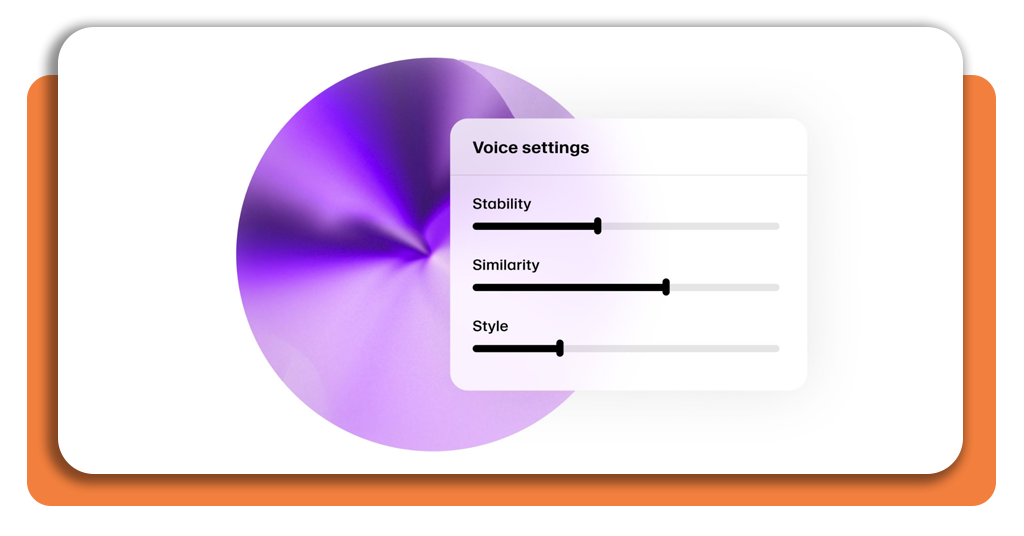
Perhaps the most interesting feature is the ability to create a personalized voice model. After analyzing recorded speech, the system attempts to reproduce not only the words a person says but also how they say them.
For many users, this represents a significant shift in how digital content can be produced.
Tasks that previously required recording sessions, editing software, and voice actors can now be completed much more quickly, though often with varying levels of human oversight.
Step-by-step: how to clone your voice using ElevenLabs
Creating a voice clone is quite simple, even for users without technical experience. It now takes only a few minutes, although better recordings generally produce better results.
Step 1: create an ElevenLabs account
Visit ElevenLabs and create an account. Once logged in, navigate to the voice creation section within the Plattform or mobile app (iOS | Android)
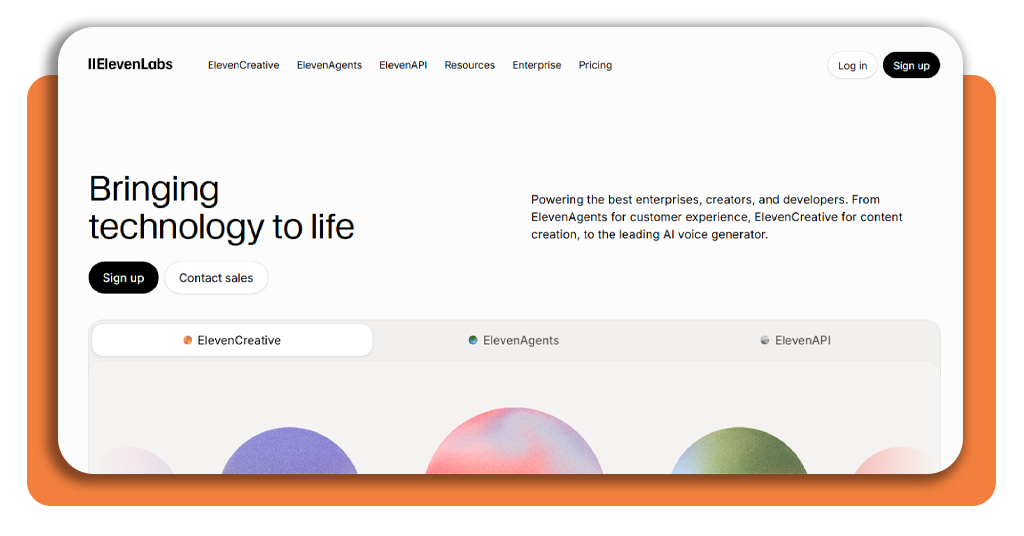
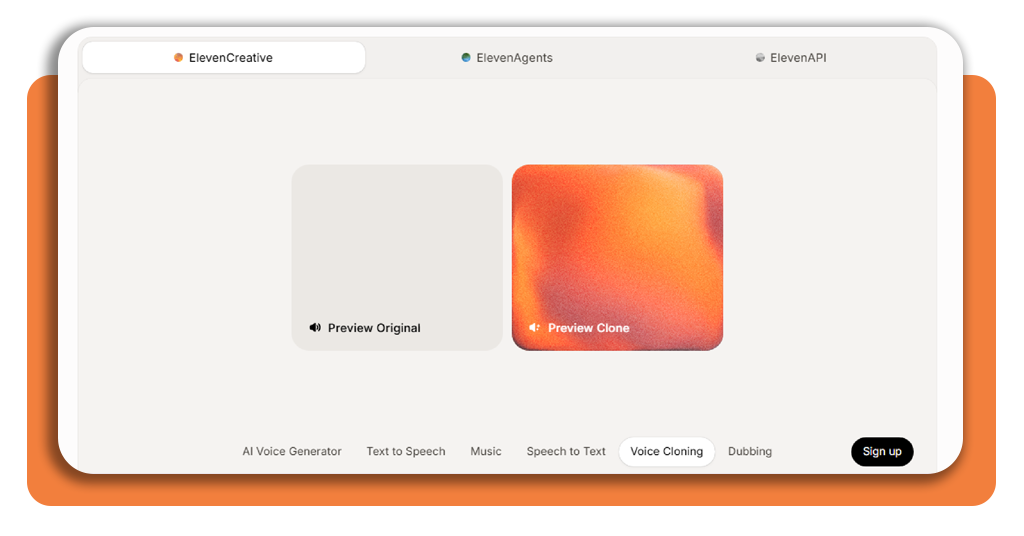
Step 2: provide a voice sample and generate the voice model
Record or upload audio of your own voice. Clear recordings captured in quiet environments generally produce the most accurate results.
The system analyzes the audio sample and creates a synthetic voice profile based on speech patterns, pronunciation, and vocal characteristics.
Step 3: test the results
Enter text and listen to the generated speech. Many users refine their models over time by providing additional recordings and testing different types of content.
Tips for high-quality voice cloning and safety
The quality of an AI voice cloning app depends heavily on the quality of the source audio.
Clean audio, minimal background noise, and natural speech patterns typically lead to better results. Users should also remember that voice cloning is not simply a technical process but an ethical one.
Researchers and policymakers have increasingly warned about the misuse of synthetic voices in scams, impersonation attempts, and misinformation campaigns.
Several high-profile incidents have involved AI-generated voices that were used to imitate family members, executives, or public figures.
For this reason, most major platforms require users to confirm that they own the voice being cloned or have permission to use it.
Experts generally recommend avoiding the publication of cloned voices without clear disclosure, especially in professional or commercial contexts.
Not ready to clone your voice? If you’d rather experiment before creating a digital twin, check out this guide to voice changer apps packed with creative effects and content ideas: voice changer app guide.
How an AI voice clone can help you earn money
One of the most common claims surrounding voice cloning technology is that it creates new income opportunities. While this can be true, the reality is more nuanced than many advertisements suggest.
Some creators use cloned voices to produce content more efficiently, allowing them to publish more videos, courses, or podcasts. Others license their voices for commercial projects or participate in emerging voice marketplaces.
However, generating meaningful income still depends on demand, audience size, content quality, and business strategy. Simply creating a voice clone does not automatically create revenue.
What voice cloning does offer is a way to scale creative work. For independent creators, that efficiency can sometimes translate into financial opportunities.
4.8/5
A technology that’s changing what a voice means
Voice cloning sits at an unusual crossroads between creativity and caution.
The technology can help a small creator produce professional narration, allow a teacher to create multilingual lessons, or give someone a way to preserve their voice for future generations.
Yet the same tools can also be used deceptively when consent and transparency are ignored.
That tension is what makes the rise of the AI voice cloning app industry so fascinating. The question is no longer whether synthetic voices will become part of everyday life.
They already are. The bigger question is how society, regulators, technology companies, and users will decide to use them responsibly as the line between human and artificial speech becomes increasingly difficult to hear.