
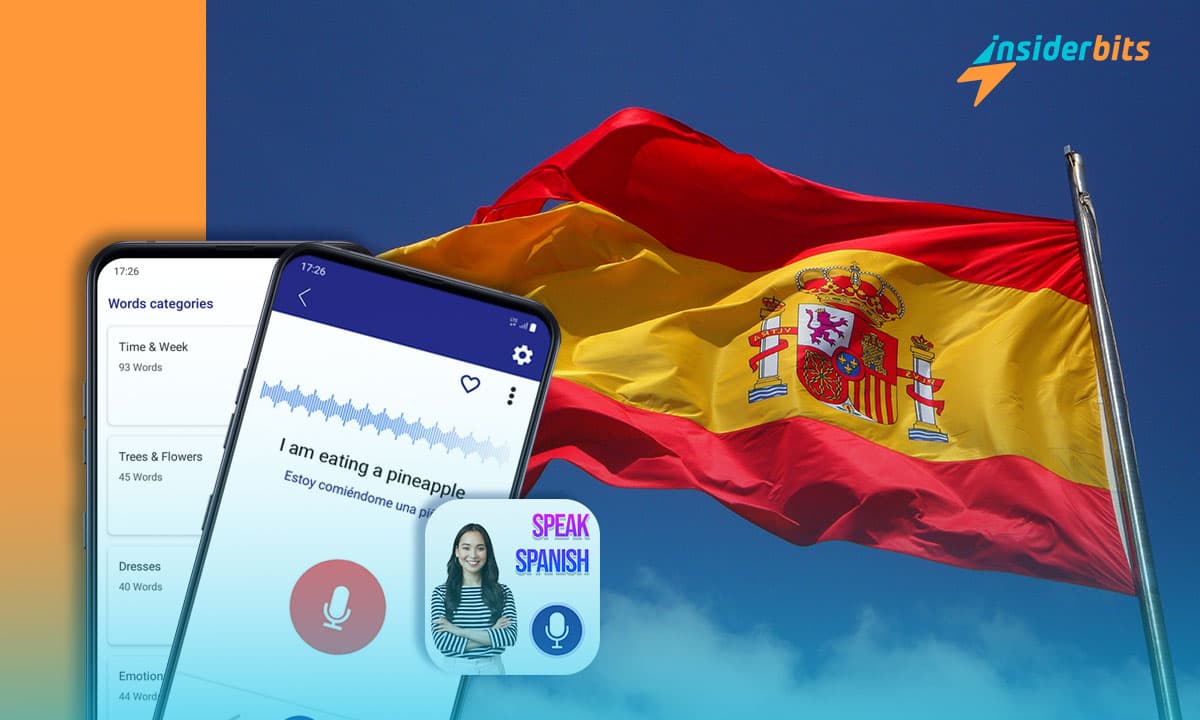
Are you on the hunt for a free Spanish course that truly delivers? The ‘Learn Spanish Speak Spanish’ app might just be what you’re after.
Here at Insiderbits, we’ve dissected its features and functionalities to provide you with an in-depth look.
In a digital age flooded with language apps, this one manages to stand out uniquely. Curious to learn more? Then dive into our review to discover what this app has to offer.
Learn Spanish Speak Spanish app: an overview
Imagine a gateway to the beautiful world of Spanish, right at your fingertips. The Learn Spanish Speak Spanish app is exactly that—a digital entry to fluency.
This app is all about immersion. It introduces you to real-world conversations, gradually building your vocabulary and confidence with each lesson.
Whether you’re a beginner or brushing up on advanced topics, the app’s adaptive learning paths cater to every step of your journey.
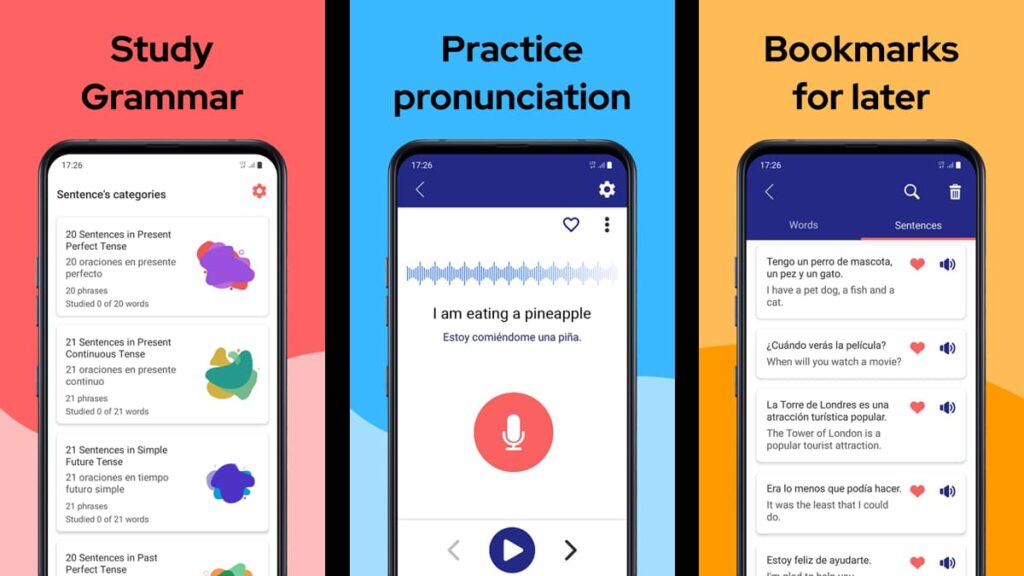
With Learn Spanish Speak Spanish, you’ll be able to work on your grammar skills, practice speech patterns, and listen to new words on Autoplay to perfect pronunciation.
The app offers video lessons, interactive quizzes, and exercises to ensure you’re not just memorizing but truly understanding and applying your newfound knowledge.
And yes, while this is mostly a free Spanish course, it contains a few ads. To remove them and gain unlimited access to all of the app’s features, you can subscribe to it.
| Preisgestaltung: | The app is free for download and use, and offers a wide range of fee-free lessons. But if you want, you can subscribe to it to get full access and remove ads for $4.99 a month. |
| Verfügbar für: | Android. |

4.6/5
What are the Learn Spanish Speak Spanish app features?
Offering a free Spanish course alongside a series of interesting features, this app aims to be your ultimate guide to mastering the language. Meet some of these features next:
- Expand Your Words: Grow a strong Spanish vocabulary, arming yourself with words for every chat and chatter.
- Talk and Try: Click on a sentence, speak it out, and the app assesses and scores your pronunciation, making those essential speaking practices more interactive.
- Quick Memory Boost: Within just a few minutes of engagement, the app assists you in memorizing keywords that make conversations flow.
- Interactive Lessons: Dive into lessons that are fun and effective. No matter your skill level, there’s something for everyone to pick up and polish.
- Auto Play: Make every moment count. Hear new words, repeat them, and turn any free minute into a Spanish minute.
- Grammar Made Easy: The app provides a clear grip on Spanish grammar rules with easy-to-follow examples.
- Favorites: Got a favorite word or sentence that you’d like to come back to later? Simply mark them as ‘Favorite’ and revisit them whenever you want.
The Learn Spanish Speak Spanish app can be your golden ticket to embracing Spanish with open arms. Every feature and every lesson is a stepping stone to guide you towards fluency.
Why use an app to learn how to speak Spanish?
Learning Spanish using an app might sound unconventional, but it’s one of the smartest moves you can make in today’s digital age. Here’s why:
- Learn Anytime, Anywhere: No need for a classroom. With an app, you can pick up Spanish lessons during a break, on a bus ride, or just chill at home.
- Interaktives Lernen: Many apps offer quizzes, pronunciation checks, and other interactive features that make learning more engaging and fun.
- Go At Your Pace: Language apps allow you to progress at your speed, whether you’re a fast learner or you need more time to grasp certain concepts.
- Constructive Feedback: Get instant feedback on pronunciation, vocabulary, and grammar exercises, helping you understand your mistakes and improve them.
- Cost-effective: You can get access to a full free Spanish course with only a few taps on your screen. It’s cheaper than a tutor or other learning material.
- Cultural Context: Some apps include cultural lessons and real-life dialogues, which give you a deeper understanding of the language in its native context.
- Varied Content: There’s usually a wide range of content available, ensuring that learning doesn’t become a boring task.
- Regelmäßige Updates: Language apps are often updated to offer new features, lessons, or exercises, ensuring the learning material stays fresh and relevant.
- Structured Learning Path: You’ll get a structured learning experience, guiding you from basic vocabulary and grammar to more complex language structures.
In a nutshell, using an app to learn Spanish combines the convenience of modern technology with the joy of learning.
And with the Learn Spanish Speak Spanish, you can get all of that and much more without having to reach for your wallet.
Are there potential downsides to the Learn Spanish Speak Spanish app?
While the Learn Spanish Speak Spanish app offers plenty of advantages, there could be potential downsides, as with any learning tool.
The app relies heavily on self-motivation, lacking the environment a classroom offers. With that, some users might find digital learning less interactive than face-to-face conversations.
Also, if the app doesn’t regularly update its content or address user feedback, it could lag in offering the most current learning methods.
Lastly, while the free Spanish course is a significant draw, some essential features or advanced lessons are behind a paywall, limiting full access for users on a tight budget.
How to download and use the Learn Spanish Speak Spanish app
Ready to begin a new language journey with a fantastic free Spanish course? Follow Insiderbits’ easy guide to download the Learn Spanish Speak Spanish app on your device:
Step One: Download and Install the app
To get access to the free Spanish course with Learn Spanish Speak Spanish, you need to download the app onto your device.
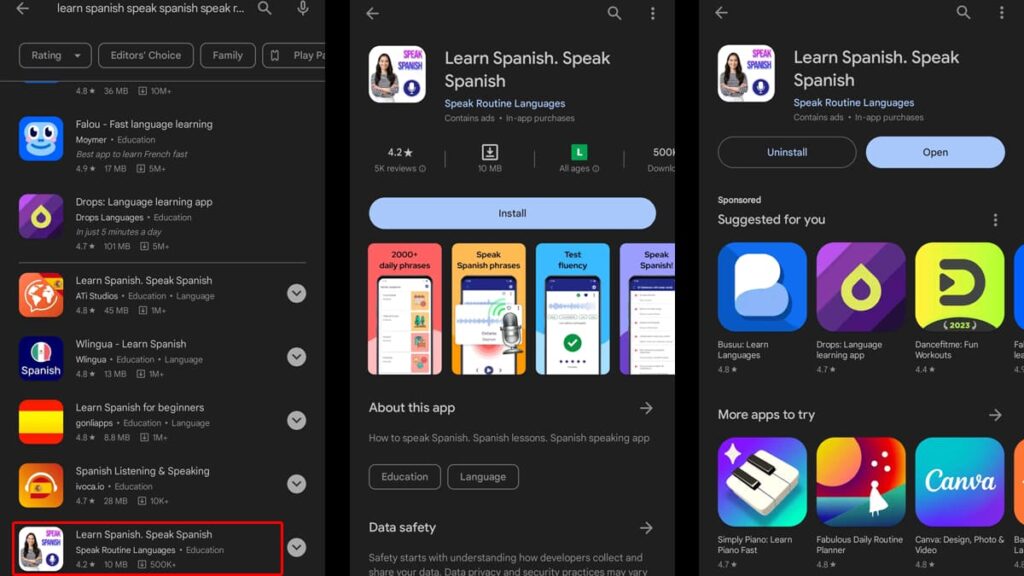
Visit the Google Play Store, and on the search bar, type in “Learn Spanish Speak Spanish”. There are a few options, so make sure you select the one by Speak Routine Languages.
Tap the icon to visit the app’s info page, and then tap on “Install”. Once the download is finished, tap on “Open” to launch the app.
Step Two: Navigating the app
The app’s initial setup is incredibly simple. The only thing you need to do is select your native language and the language you want to learn.
Once you do that, the app will take care of the rest and redirect you to its homepage where you can find all kinds of lessons divided into different categories.
Step Three: Dive into the free Spanish course
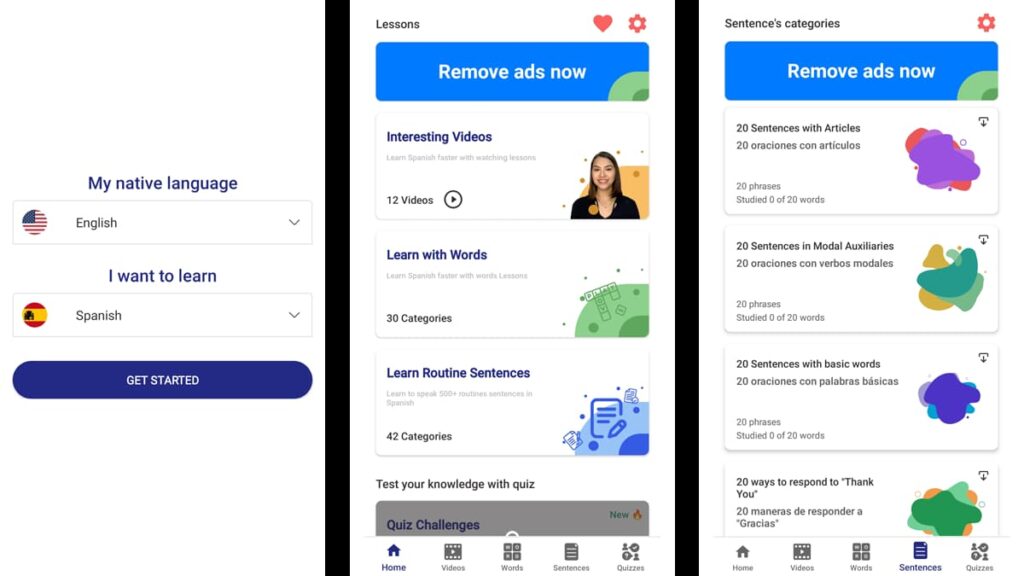
Now, with the app set and ready, you can immerse yourself in its content. Use the menu at the bottom of the screen to choose between videos, words, sentences, and quizzes.
The app will track your progress as you study the lessons, and you can tap the little heart on the top of the screen when you want to “favorite” a section. It’s that easy!
4.6/5
Master Spanish fluency with a free Spanish course
If learning Spanish has been on your bucket list, the Learn Spanish Speak Spanish app is your ticket to get started.
Not only does it stand out with a free comprehensive Spanish course, but its features make it the go-to app for many language learners.
Every app has its pros and cons, and it’s no different here. While the app provides an innovative approach to learning, you also need to be self-motivated.
Still, considering the number of advantages it offers, especially the convenience of learning anywhere and anytime, it’s a tempting offer for anyone eager to learn.
We at Insiderbits have laid out a simple guide to get you started, and now, your journey toward fluency is just a few taps away on your device.
Hungry for more app reviews and insider tips? Dive deeper into the world of technology and language with more articles from Insiderbits.
Who knows, your next favorite app or essential tech hack might just be waiting for you!