

Moving to the US means figuring out many new expenses. The ACA health subsidy is one that helps eligible newcomers reduce the amount they pay for Marketplace coverage.
The good news is that you don’t have to guess if you qualify. The Health Insurance Marketplace provides estimates of your potential savings and reviews available plans.

Which is the best ACA health subsidy calculator app for newcomers?
For newcomers who want to estimate their potential ACA health subsidy, GovAid: Health (iOS) is one convenient option.
The iPhone app is designed to estimate eligibility for Medicaid and ACA subsidies and provides premium estimates based on the 2026 rules.
It can be useful for getting a quick idea of which type of coverage or savings you may qualify for before going through the full Marketplace application.
However, it’s important to distinguish an independent calculator from the official Marketplace.
HealthCare.gov offers its own eligibility and savings tools, where you can enter your ZIP code, household info, and estimated income to preview available plans and savings.
The final amount is determined during the actual Marketplace application.
For newcomers specifically, the official Marketplace is particularly important because eligibility isn’t based on income alone.
When it comes to eligibility, you must live in the US and be a citizen, national, or lawfully present non-citizen, and your immigration status can affect eligibility.
So, GovAid can be a convenient first estimate, while HealthCare.gov should be treated as the authoritative source when you’re ready to verify your eligibility and enroll.
GovAid: Health App
Features available in the GovAid: Health platform
GovAid: Health (iOS) is a free iPhone app designed to estimate eligibility and premium costs for Medicaid and ACA coverage using its 2026 regulatory model.
It can be useful for newcomers who want an initial estimate before moving on to the official Marketplace application.
One of its main features is its ACA health subsidy and Medicaid tiering system.
This system estimates if a user may fall into Medicaid, Silver plans with cost-sharing reductions, or standard ACA Marketplace coverage.
The app also calculates Modified Adjusted Gross Income (MAGI) and accounts for certain contributions, including 401(k), HSA, and IRA contributions, when estimating eligibility.
Also, the platform includes state-specific analysis for coverage gaps in non-expansion states.
Its what-if slider lets users change their projected income and see how different income levels could affect estimated premiums or eligibility.
It’s important to remember that GovAid is an estimation tool, not a government enrollment platform.
The app itself states that users cannot apply for ACA Marketplace plans, Medicaid, Medicare, or SNAP through it, so you should use the official Marketplace to do it.
Step-by-step: how to calculate your health insurance subsidy online
Check these steps below to calculate your health insurance subsidy online. There are two platforms to do that. One is the iPhone app GovAid: Health (iOS), and the other option is the website Healthcare.gov.
Step 1: check if you may qualify for savings
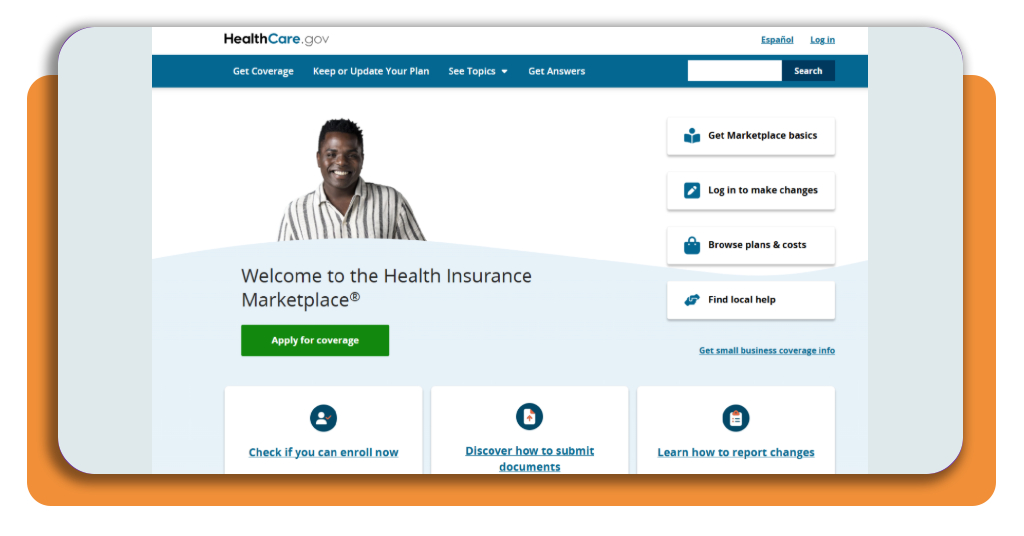
To begin with, open the HealthCare.gov and search for the ‘Saving money on health insurance’ page and use the Marketplace savings tool.
Step 2: fill the questions
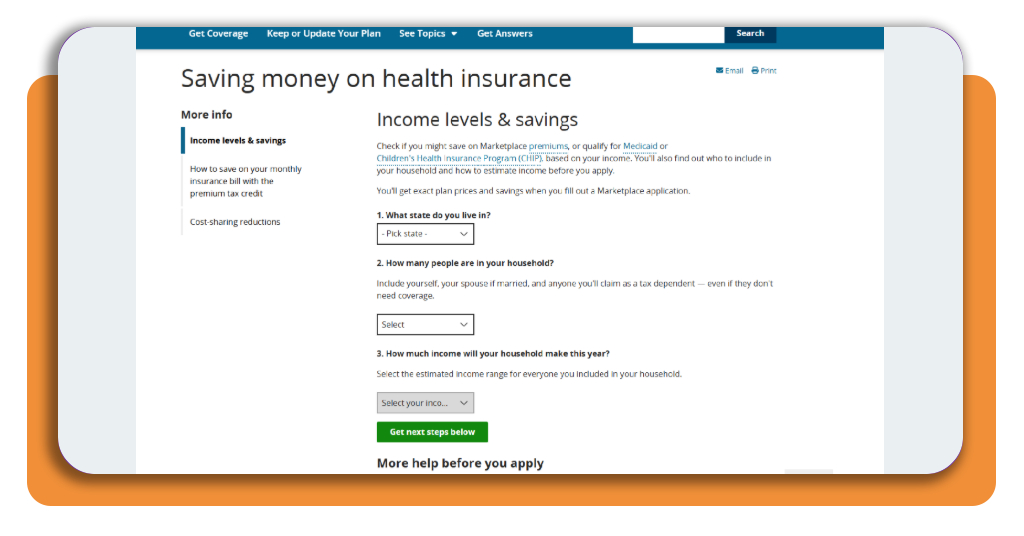
On this page, you will see some fields to fill, so you need to provide information about the state you live in, how many people are in your household, and how much income your household has.
Step 3: check your potential savings
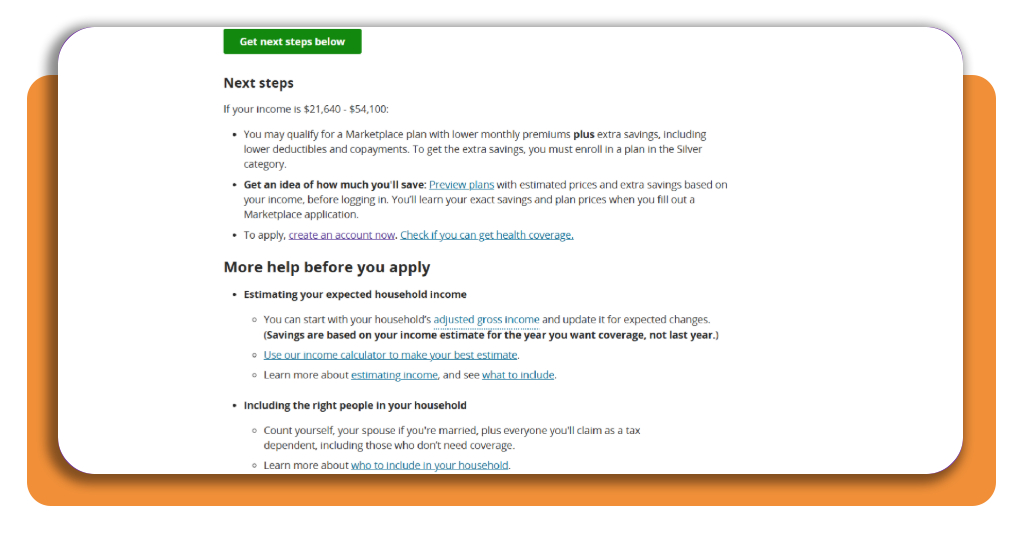
Based on the information you provide, depending on the state, HealthCare.gov can show whether you might qualify for Marketplace savings, Medicaid, or CHIP.
Step 4: preview plans
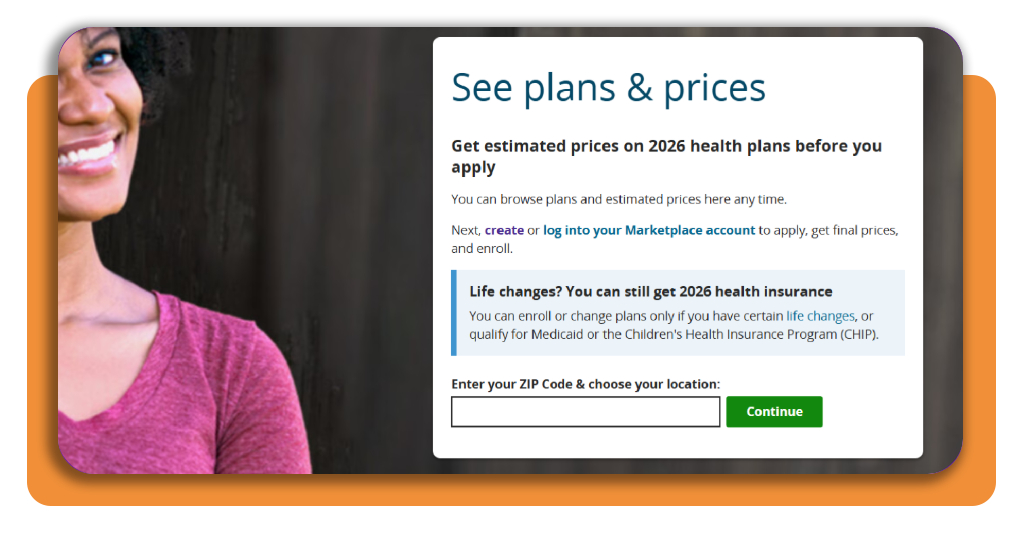
To see the exact plan prices and savings, click on ‘Preview Plans’, provide your ZIP Code, and complete a Marketplace application.
Step 5: review your available coverage
Once your application is processed, review the plans and savings available to you. Compare the monthly premium and other costs to choose the coverage that best fits your needs.
Top private health insurance providers
It is not easy to answer that question, since the best private health insurance provider depends on your state, ZIP code, preferred doctors, and budget.
In 2026, major insurers participating in the ACA Marketplace include many names:
UnitedHealthcare, Centene, Elevance Health, Molina Healthcare, Cigna, Oscar Health, and Kaiser Permanente, although availability varies considerably by state and county.
Kaiser Permanente is worth considering if it operates in your area.
It ranked first among US health insurers in Insure.com’s 2026 ranking, with strong scores for customer service, affordability, and member experience.
Then, Blue Cross Blue Shield can be another good choice, particularly for people who value a broad selection of plan types and provider options.
For routine consultations, an option worth exploring is a telemedicine app in the US, which makes it easier to access medical care remotely when an in-person visit isn’t necessary.
Its local companies operate across the country, but prices, networks, and available plans vary by state.
For newcomers using an ACA health subsidy, the company name shouldn’t be the only factor in your decision.
HealthCare.gov allows you to browse 2026 plans and estimated prices by ZIP code before applying.
Consequently, compare the monthly premium, deductible, out-of-pocket maximum, provider network, and whether your preferred doctors and medications are covered.
How your immigration status impacts your health credits
Your immigration status can affect both your eligibility for Marketplace coverage and your ability to receive financial assistance.
In general, lawfully present immigrants can enroll in ACA Marketplace plans and may qualify for a premium tax credit or additional cost-sharing savings based on their income.
If you’re a newcomer trying to understand which government programs you qualify for, this government benefits finder helps you explore other assistance options available in the US.
Eligible statuses can include green card holders, refugees, asylees, people with certain work or student visas, and individuals with Temporary Protected Status (TPS), among others.
Still, income plays an important role. For 2026, most people seeking a premium tax credit generally need household income of at least 100% of the federal poverty level.
Meanwhile, cost-sharing reductions are generally available to eligible Marketplace enrollees with income between 100% and 250% of the federal poverty level.
Also, eligibility can depend on whether you have access to affordable employer-sponsored insurance or qualify for Medicaid or another public coverage program.
Another important point is that immigration status can change the rules depending on the type of coverage.
For example, some qualified non-citizens may face a five-year waiting period before becoming eligible for Medicaid or CHIP.
Because immigration and subsidy rules can change, don’t assume that a friend or family member with a different status will have the same eligibility.
That said, always use the official HealthCare.gov application to check your specific situation, household income, and available savings before choosing a plan.
Find out if you qualify for ACA savings
The ACA health subsidy can make Marketplace coverage more affordable for eligible newcomers, but the amount of financial help depends on different factors.
Using HealthCare.gov to check your eligibility is a good starting point. You can estimate your potential savings and complete an application to receive an official eligibility determination.
If you’re new to the US, don’t overlook your coverage options simply because you’re unsure about your immigration status or income.
Check the requirements, keep your information updated, and use the official Marketplace to find out which health insurance savings may be available to you.
Enjoyed this article? Save Insiderbits to your favorites and discover the most useful tech tips.