
The traditional dream of retiring at sixty-five to spend forty years sipping lukewarm tea on a porch is officially dead. As someone who watches inflation eat her brunch budget for breakfast, I find it fascinating that older generations still expect their pensions to perform miracles. The good news is that “retirement” no longer has to mean the end of your earning potential; it just means you finally get to stop answering to a boss you hate.
We are seeing a massive shift toward the “unretirement” trend, where individuals use a digital tool to map out their secondary financial acts. Finding a sustainable side income means maintaining a lifestyle that involves more than just the bare necessities. If you want to keep traveling, dining out, and spoiling grandkids without checking your bank balance every five minutes, your strategy needs more than just crossing your fingers.
- Retirement Planning 101: Best Apps to Prepare Financially
- Retirement age changes: how they affect your benefits
- Retirement party invitation: create yours in minutes
Why retirement income often falls short in real life
The math of the past simply doesn’t hold up against the volatility of the present.
Many people enter their golden years expecting their Social Security or private pensions to cover everything, only to realize that the “replacement rate” recommended by experts is often a fantasy.
J.P. Morgan Asset Management shows the challenge of generating consistent cash flow is exacerbated by low interest rates and longer life expectancies.
You may be planning for thirty years of leisure instead of just ten, and that calls for a much larger engine than most people have constructed.
Beyond the numbers, there is the “unexpected” factor. A sudden home repair or a medical emergency can liquidate a decade of savings in a few months.
A side income provides a buffer that protects your core investments, allowing your main nest egg to continue growing while you use fresh cash for your daily expenses.
Pretty much, the financial equivalent of having a spare tire—you hope you don’t need it, but you’re incredibly glad it’s there when the road gets rocky.
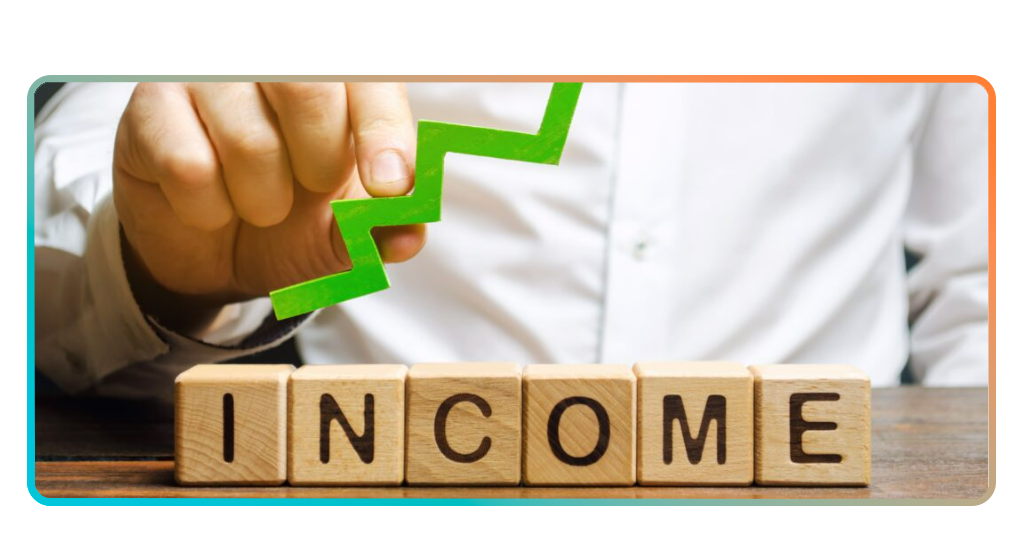
How a retirement side income planner estimates your options
A dedicated retirement side income planner allows you to input your existing assets and then simulate various scenarios based on how much extra time you want to work.
Tools like the YNAB app analyze market rates for consulting, freelance writing, or even boutique e-commerce to give you a realistic projection of what your bank account could look like in five years, figuring out the return on investment of your expertise.
By using simulators such as You Need a Budget (YNAB), which is also available for Android and iOS, you can see the ripple effect of even a small monthly inflow.
For example, earning an extra five hundred dollars a month might not seem like much, but when projected over twenty years with a modest interest rate, it represents a significant cushion.
If you are just starting to figure out how to pitch your services to the world, checking out advice on landing your first client can help you bridge the gap between “planning” and “earning”.

Explore low-stress income streams that fit your lifestyle
The word “work” triggers a visceral reaction in most people who are eyeing the exit door of the corporate world. However, the modern gig economy offers a variety of paths that prioritize flexibility over forty-hour grinds.
The trick is to find a side income that leverages the skills you spent decades perfecting without the accompanying stress of a boardroom.
You’ve spent a lifetime building a network and a knowledge base; it’s time to let that equity work for you while you stay in your pajamas.
- Professional consulting for startups that need veteran guidance without the executive salary;
- Academic or corporate tutoring in subjects you’ve mastered throughout your career;
- Monetizing a long-term hobby, such as woodworking, gardening, or specialized crafting through online marketplaces;
- Renting out underutilized assets, like a vacation home or a specialized piece of equipment;
- Part-time project management for non-profits that desperately need organized leadership.
See monthly and annual projections in minutes
You can toggle between different levels of activity—perhaps you want to work more in the winter and less in the summer—to see how your side income fluctuates.
This level of granularity helps you plan for big-ticket items, like an anniversary cruise or a home renovation. It turns a vague financial anxiety into a series of manageable, color-coded charts that actually make sense.
These projections also help you understand the tax implications of your extra earnings.
Many people fear that earning more will push them into a higher tax bracket, but a good planner will show you the net gain after the government takes its cut.
Usually, the increased quality of life and the peace of mind far outweigh the extra paperwork during tax season. Seeing the numbers climb year after year provides a psychological boost that is just as valuable as the money itself.
It proves that you are still a productive, capable participant in the economy.
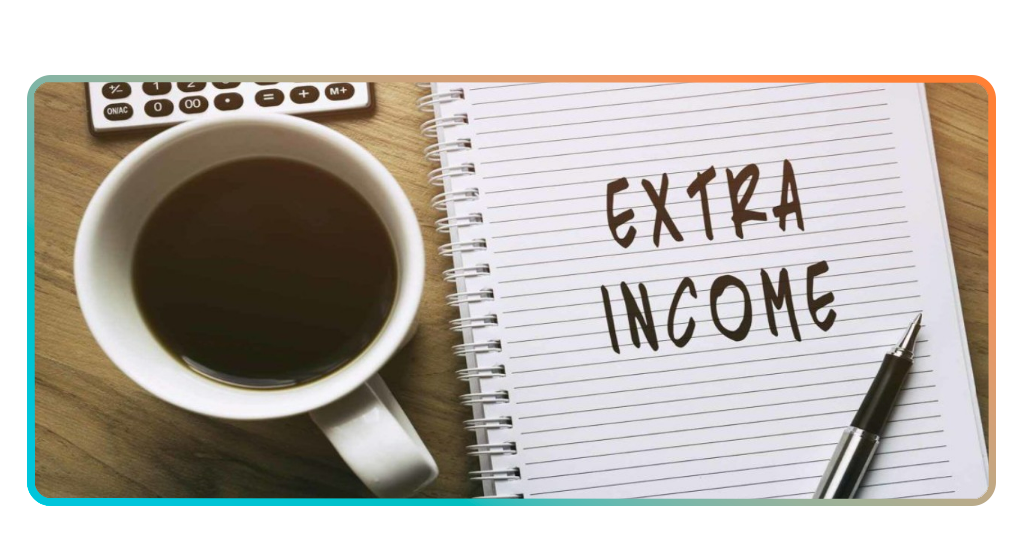
Plan a safer, more flexible retirement
Ultimately, having a plan for extra earnings reclaims your agency. Retirement should be the period of your life where you have the most freedom, not the most fear.
By integrating a side income strategy into your broader financial plan, you create a “flexibility moat” around your lifestyle. If the stock market takes a dip, you can ramp up your consulting hours to avoid selling your shares at a loss.
If the market is booming, you can take a few months off and enjoy the fruits of your labor.
Final thoughts
We are living in an era where healthcare costs are skyrocketing and “fixed incomes” feel more like “shrinking incomes” every time the consumer price index shifts.
Relying solely on a legacy savings account in this economy is like trying to cross the Atlantic in a rowboat—optimistic, sure, but statistically terrifying.
A well-utilized retirement planner shows you that you don’t have to be a victim of economic cycles. You have the tools, the experience, and now the technology to secure your own future.
So, stop staring at your 401(k) with a sense of dread and start looking at your potential with a sense of irony—because the “retirement” everyone promised you was a myth, but the one you build for yourself can be much better.